Running a successful business requires more than having a good product or providing a valuable service. Behind every company are countless practical decisions involving employees, facilities, equipment, legal responsibilities, customer relationships, and day-to-day operations. When those areas are managed effectively, businesses can create a stronger foundation for growth and adapt more easily when circumstances change.
Outside service providers can play an important role in that process. Specialized professionals bring knowledge, equipment, experience, and resources that a business may not have internally. Instead of expecting employees to handle every challenge themselves, companies can bring in qualified providers when specialized assistance is needed.
The right services can also help businesses save time, address problems more efficiently, and maintain standards across different areas of operation. Whether a company needs technical expertise, facility support, legal guidance, or opportunities to strengthen professional relationships, choosing appropriate services can contribute to more organized operations.

Identify Where Your Business Needs Support
The first step is understanding where outside support can provide the most value. Every business has different needs depending on its industry, size, location, equipment, employees, and customers. A manufacturer may require technical and industrial services, while a professional office may place greater emphasis on technology, facilities, and legal support.
Business owners and managers can start by identifying tasks that require specialized knowledge or consume significant amounts of internal time. It can also be helpful to consider recurring problems. If employees repeatedly lose time dealing with the same maintenance issue, production bottleneck, or administrative challenge, an outside provider may offer a more sustainable solution.
Businesses should also distinguish between essential services and occasional needs. Some providers may be needed regularly, while others can be contacted when a specific project or situation arises. Understanding that difference can help companies manage resources while still maintaining access to specialized expertise.
Use Specialized Manufacturing Expertise
Manufacturing businesses often depend on precise processes and specialized equipment. As production needs become more complex, companies may look beyond traditional manufacturing methods to improve efficiency, consistency, and flexibility.
A robotic fabrication service can provide specialized capabilities for businesses looking to incorporate automation into fabrication processes. Depending on the application, robotic systems may assist with repetitive or highly precise tasks while helping businesses maintain consistent production standards.
Automation should not simply be adopted because it is technologically advanced. Businesses need to consider whether a particular system fits their production requirements, workforce, facility, budget, and long-term goals. A careful evaluation can help determine where automation may provide practical benefits.

Bring In Engineering Expertise
Complex business projects frequently require more technical knowledge than an internal team can provide. Design changes, facility improvements, machinery considerations, infrastructure projects, and other technical challenges may all require specialized planning.
Engineering companies can help businesses approach these projects with professional expertise. Depending on their specialties, engineers may contribute to planning, design, analysis, documentation, safety considerations, and project development.
Bringing professionals into a project early can also help identify potential challenges before construction or implementation begins. Rather than making significant changes after work is already underway, businesses can use planning and technical analysis to make more informed decisions from the beginning.
Maintain Reliable Industrial Supplies
Businesses that rely on manufacturing, welding, laboratories, fabrication, or other industrial processes often need dependable access to specialized materials and supplies. Interruptions in these supplies can affect schedules, production, and customer commitments.
Industrial gas suppliers can support businesses that depend on gases for processes such as welding, cutting, fabrication, and manufacturing. Reliable supply arrangements can help companies maintain the materials necessary for ongoing operations.
However, businesses should look beyond availability alone when evaluating suppliers. Delivery schedules, storage requirements, safety procedures, product specifications, customer service, and contingency planning may all deserve consideration. A supplier relationship should support the company’s operational needs rather than create additional uncertainty.
Plan For Heavy Equipment Needs
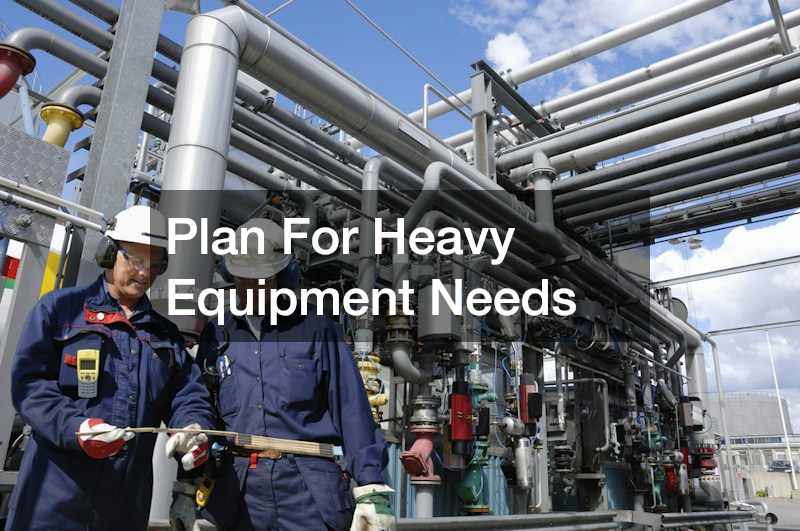
Some projects require equipment that a business does not use regularly enough to justify owning. Construction, facility improvements, equipment installation, and material handling can involve heavy loads that require specialized machinery and trained operators.
A local crane service can provide access to equipment and expertise for projects involving lifting and positioning heavy materials. Proper planning is particularly important because crane operations involve multiple factors, including load requirements, site conditions, access, weather, and safety procedures.
Businesses should communicate project details clearly with service providers before work begins. Providing information about the location, materials, schedule, and lifting requirements can help professionals determine what equipment and planning are appropriate.
Protect Your Workplace
The physical environment of a business can influence employee comfort, customer impressions, and daily operations. Clean, well-maintained facilities are easier to manage and can help businesses address potential problems before they become significant disruptions.
Pest control is one aspect of facility management that businesses should not overlook. Different industries can face different pest-related concerns, and problems may affect food, inventory, equipment, property, or the customer experience.
Preventive approaches can be especially useful for commercial properties. Rather than waiting until a problem becomes extensive, businesses can establish appropriate inspection and treatment schedules based on their facility and operating environment.

Work With The Right Construction Professionals
Business growth sometimes requires physical changes to a property. A company may need additional office space, a larger production area, a remodeled customer-facing environment, or improvements to an existing facility.
A construction company can help turn those plans into a finished project. Before hiring a contractor, businesses should consider experience, licensing and insurance where applicable, references, communication practices, timelines, and the provider’s familiarity with similar projects.
Clear expectations are essential. Project scope, materials, deadlines, responsibilities, payment arrangements, and procedures for handling changes should be discussed before work begins. Good communication throughout the project can help businesses stay aware of progress and address concerns promptly.
Keep Electrical Systems Reliable
Modern businesses depend heavily on electricity. Computers, lighting, manufacturing equipment, security systems, climate control, communications equipment, and countless other systems may all require reliable electrical infrastructure.
A commercial electrical contractor can assist with specialized electrical projects, maintenance, installations, upgrades, and troubleshooting. Professional work is particularly important when electrical systems involve significant loads, complex equipment, or commercial building requirements.
Businesses should also think about electrical needs when planning future growth. Adding equipment or expanding operations may increase demand on existing systems. Addressing those requirements during the planning stage can help reduce unexpected complications later.
Know When To Seek Legal Guidance
Legal questions can arise at virtually every stage of running a company. Businesses may deal with contracts, employment matters, commercial agreements, disputes, intellectual property, compliance requirements, leases, or business formation issues.
A business lawyer can help company owners understand legal considerations relevant to their circumstances. Professional legal guidance may be especially valuable when a business is entering a major agreement, changing its structure, dealing with a dispute, or developing policies that carry legal implications.
Businesses may also encounter situations involving employees or associates who face legal issues outside the company’s normal operations. In those circumstances, knowing how to find a local bail bondsman can be useful for individuals and families navigating the bail process. While this is separate from routine business legal work, having access to appropriate resources can help people respond more efficiently when unexpected legal situations arise.
The goal is not necessarily to involve an attorney in every routine decision. Instead, businesses can establish a relationship with legal professionals who understand the company and can provide guidance when more complicated issues arise.
Build Strong Professional Relationships
Not every business service involves maintenance, equipment, or professional problem-solving. Relationships are also an important part of operating and growing a company.
Business owners and professionals often connect through conferences, community events, industry organizations, networking groups, and informal meetings. A shared meal can provide an opportunity to discuss potential partnerships, learn about another company’s experience, or simply strengthen an existing professional relationship.
Choosing the best business lunch is less about finding the most expensive restaurant and more about selecting an environment that supports the purpose of the meeting. Factors such as location, noise level, timing, menu options, and the amount of time available can all affect the experience.
Evaluate Service Providers Carefully
Choosing a provider should involve more than selecting the first company that appears in a search. Businesses should consider whether a provider has relevant experience and understands the specific needs of the company.
Reviews and referrals can offer useful insight, but businesses should also ask practical questions. What services are included? How does scheduling work? Who will perform the work? What happens if a problem occurs? Are there additional charges? What documentation or guarantees are provided?
For specialized projects, businesses may also want to request proposals from multiple providers. Comparing approaches, timelines, qualifications, and costs can provide a clearer understanding of available options.
Consider Long-Term Value
Price is naturally an important consideration, but the cheapest option is not always the most appropriate for a business. A service that costs less upfront could require more frequent repairs, provide limited support, or create additional work for employees.
Instead, businesses can consider the overall value of a service. A provider that communicates effectively, arrives when expected, performs quality work, and understands the company’s requirements may contribute to smoother operations over time.
Long-term relationships can also have practical benefits. Providers who become familiar with a business’s facilities, equipment, processes, and expectations may be able to respond more efficiently when new needs arise.
Keep Communication At The Center
Even an experienced service provider cannot deliver the right solution without accurate information. Businesses should communicate expectations, timelines, access requirements, safety concerns, and project details as clearly as possible.
Designating one person to coordinate with outside providers can also reduce confusion. That individual can communicate changes, answer questions, review progress, and make sure important information reaches the appropriate people internally.
Documentation is equally useful. Keeping contracts, service records, inspection reports, maintenance schedules, invoices, and project documentation in an organized location can make future planning easier.
Prepare For Unexpected Needs
Businesses cannot anticipate every challenge. Equipment can fail, facilities can develop problems, legal questions can arise, and unexpected projects can become necessary. Having relationships with qualified providers before an emergency occurs can make it easier to respond when something goes wrong.
Companies can create a list of important service contacts and periodically verify that their information is current. It may also be useful to identify backup providers for particularly important services.
Emergency planning should complement, rather than replace, preventive maintenance. Regular inspections and scheduled service can reduce some avoidable problems, while contingency planning gives businesses a way to respond when unexpected situations occur.
Make Services Part Of Business Planning
Outside services should not be viewed only as expenses that appear when something goes wrong. They can be incorporated into broader business planning.
For example, a company planning to expand production may need engineering input, construction support, electrical work, equipment services, and additional suppliers. A growing office may need facility maintenance, legal guidance, security improvements, and professional services.
Thinking about these needs ahead of time allows businesses to budget appropriately and establish relationships before projects become urgent. It can also make expansion more organized because managers understand which outside resources may be required.
Create A Stronger Operational Foundation
A business is supported by many systems that customers may never see. Equipment needs maintenance, facilities require attention, legal matters require careful consideration, and specialized projects often require professionals with specific knowledge.
When businesses identify these needs and select service providers carefully, they can create a more dependable operational foundation. The goal is not to outsource every responsibility. Instead, it is to recognize when specialized expertise can complement internal capabilities.
Review Your Business Needs Regularly
Business needs can change as a company grows, adds employees, introduces new products, or moves into a different facility. A service that was sufficient a few years ago may no longer provide the capacity or flexibility the business requires. Regularly reviewing outside services gives owners and managers an opportunity to identify gaps and determine whether current arrangements still make sense.
It can be helpful to review service contracts, maintenance schedules, supplier relationships, and professional partnerships at least periodically. Businesses can consider whether providers are meeting expectations, whether response times remain appropriate, and whether new services could make operations easier. This review can also reveal opportunities to consolidate services or establish additional backup options.
Taking time to reassess these relationships keeps business support aligned with current priorities rather than relying on arrangements that were created for an earlier stage of the company’s development.
Strong businesses are built through more than ambitious goals and good ideas. They also depend on reliable systems, informed decisions, well-maintained facilities, qualified professionals, and strong relationships.
Choosing the right outside services can help businesses address specialized needs while allowing internal teams to focus on their primary responsibilities. From technical projects and facility maintenance to legal guidance and professional networking, each service relationship can contribute to a company’s ability to operate effectively and respond to changing demands.
With thoughtful planning and careful provider selection, businesses can turn outside expertise into a practical part of their long-term strategy.