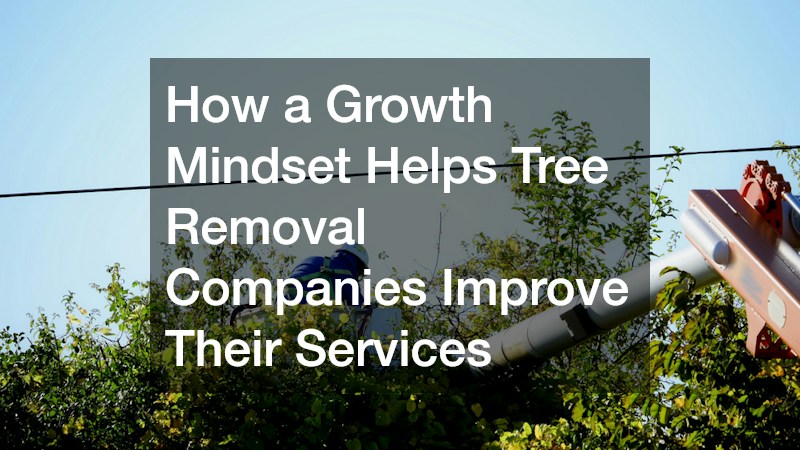
In the highly physical and unpredictable industry of arboriculture, remaining stagnant is a recipe for failure. A growth mindset—the fundamental belief that abilities, operational processes, and business acumen can be continuously developed through dedication and hard work—is the driving force behind the most successful arboricultural operations. How a growth mindset helps tree removal companies improve their services is evident in every facet of their daily work, from expanding service territories and finding sustainable uses for wood byproducts to prioritizing rigorous safety training and rapid emergency response. When business owners and their crews embrace continuous learning, they stop seeing logistical challenges as insurmountable obstacles and start viewing them as distinct opportunities to innovate and refine their craft. This forward-thinking approach transforms standard contractors into comprehensive community partners who serve their municipalities with unmatched expertise and reliability. By adopting this mentality, companies can safely train their experts, easily outperform their regional competition, and intelligently diversify their portfolios to include large-scale property clearing and urgent storm recovery.
Expand Our Reach
Cultivating a mindset geared toward expansion requires a business to look beyond its immediate geographical boundaries and traditional customer base. A company that prioritizes growth constantly evaluates demographic trends, housing developments, and commercial real estate projects in neighboring counties to identify untapped markets. This general approach to territorial expansion involves assessing the logistical feasibility of traveling further for jobs, understanding the specific environmental regulations of different municipalities, and calculating the return on investment for increased fuel and marketing costs. By systematically analyzing these broader market dynamics, leadership teams can formulate strategic plans that sustainably stretch their operational footprint without overextending their available resources or compromising the quality of their workmanship.
On a more specific operational level, expanding reach means tailoring marketing campaigns and dispatch routes to capture residential clients in newly targeted zip codes. When a homeowner searches for a reliable local tree service, a growth-oriented company ensures their digital presence ranks highly in that specific neighborhood, backed by targeted advertising and community outreach. The crew might optimize their routing software to cluster jobs in these new areas, ensuring that travel time is minimized while billable hours are maximized.
Sell Leftover Wood

A commitment to continuous improvement naturally leads a business to reevaluate its waste streams and seek out sustainable, environmentally friendly practices. In the context of arboriculture, the processing of organic material often results in massive quantities of wood chips, logs, and branches that are traditionally viewed as a disposal burden and a drain on profitability. A company embracing a growth mentality flips this narrative, viewing every byproduct as a potential secondary revenue stream. By generally assessing the regional demand for raw wood materials, mulch, and biomass fuel, visionary companies can pivot from paying landfill tipping fees to establishing profitable recycling and upcycling programs that benefit both the bottom line and the local ecosystem.
Specifically, this involves processing high-quality logs milled directly from downed hardwoods rather than chipping them into low-value mulch. By investing in a portable sawmill or partnering with regional craftsmen, a company can process these desirable species and offer local lumber for sale to custom furniture makers, hobbyists, and artisan carpenters.
Prune for Safety
The broad philosophy of arboriculture centers on the long-term health and structural integrity of the urban canopy, which requires an evolving understanding of plant biology. Growth-minded organizations do not simply react to dead branches; they proactively study the intricate ways different species react to environmental stressors, diseases, and structural imbalances over time. This general dedication to continuous education ensures that canopy management strategies are rooted in the latest scientific research regarding decay compartmentalization and wind resistance. By focusing on the holistic health of the environment, a business elevates its standard of care, ensuring that every intervention promotes the longevity of the plant while mitigating potential hazards before they escalate into dangerous failures.
Applying this knowledge specifically requires meticulous attention to detail when crews are suspended high in the canopy assessing structural weaknesses. Advanced tree trimming techniques are utilized to selectively remove co-dominant stems, deadwood, and crossing branches that could compromise the integrity of the crown during severe weather. Ground workers and climbers communicate seamlessly to execute precise directional cuts, ensuring the weight distribution remains balanced and the healing process is optimized.
Outperform Rivals
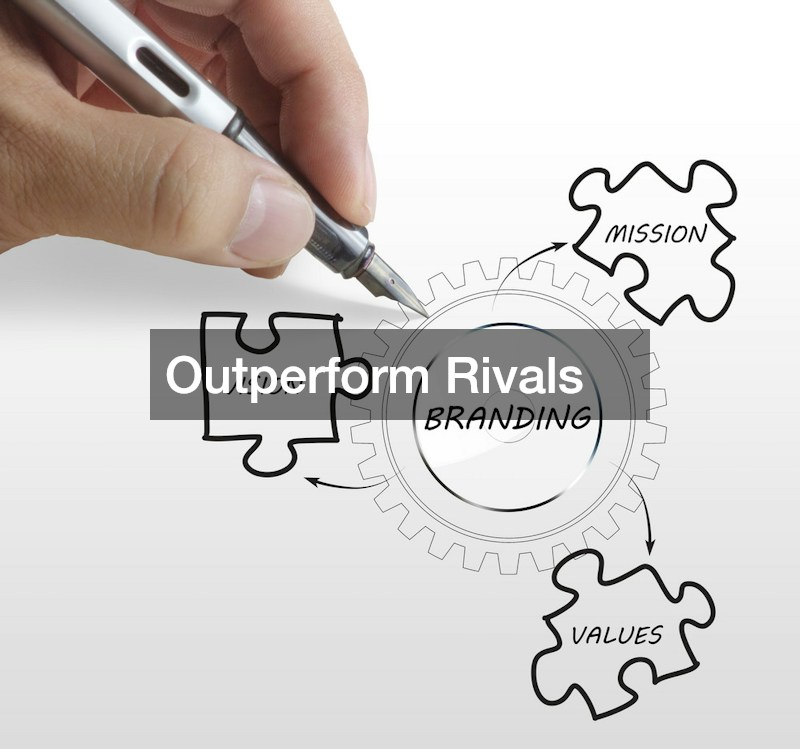
In a saturated and highly competitive contracting market, surviving requires a relentless drive to distinguish the brand from countless other providers. A growth-oriented mindset pushes a business to continuously analyze the competitive landscape, identifying gaps in the market where competitors are underperforming in customer communication, technological integration, or transparent pricing. This general competitive strategy involves investing heavily in back-office software, customer relationship management systems, and premium branding that communicates professionalism and reliability. By establishing a culture of excellence that permeates every level of the organization—from the receptionist answering the phones to the foreman signing off on a completed job—a business builds a formidable reputation that naturally attracts higher-tier clientele.
When applied to direct market competition, this mindset manifests as a measurable superiority in client acquisition and retention against other tree removal companies operating in the same territory. By specifically offering detailed digital proposals, utilizing drone technology for risk assessments, and maintaining a fleet of meticulously clean, branded vehicles, the growth-focused business creates a client experience that feels premium and secure.
Clear Spaces Fast
Efficiency and workflow optimization are the cornerstones of scaling any physical labor enterprise, particularly when dealing with large tracts of unimproved land. A business that embraces a growth mindset is constantly evaluating its operational bottlenecks, seeking out new methodologies and heavy machinery that can drastically reduce the time it takes to process raw acreage. This general approach to operational scaling involves calculating the precise cost-to-benefit ratio of acquiring specialized forestry equipment, understanding the cyclical nature of commercial real estate development, and training crews to operate in highly synchronized, mechanized units. By prioritizing speed without sacrificing safety, a company positions itself as a vital asset to real estate developers and municipal planners who operate on strict construction timelines.
The specific execution of this efficiency requires deploying specialized forestry mulchers, whole-tree chippers, and tracked skid steers to rapidly process dense underbrush and mature timber. When a contractor is hired to provide land clearing services for a new commercial subdivision, the project manager specifically orchestrates a mechanized ballet where excavators feed chippers continuously, eliminating the need for manual dragging and chainsaw bucking.
Serve Towns Better
True business growth is inextricably linked to the prosperity, safety, and aesthetic appeal of the surrounding communities. A company with a progressive mindset views itself not merely as a transactional service provider, but as a dedicated civic partner invested in the long-term maintenance of the public infrastructure. This general civic philosophy involves engaging with local government councils, participating in community beautification projects, and establishing open lines of communication with utility providers to manage vegetation around critical power grids. By aligning the company’s operational goals with the broader safety and aesthetic objectives of the municipality, the business embeds itself into the civic fabric, ensuring long-term stability through lucrative municipal contracts and robust public goodwill.
On a specific, community-facing level, this means delivering rapid, courteous, and highly professional interventions for residential neighborhoods facing distinct arboricultural challenges. When a neighborhood association contracts local tree services to maintain their shared green spaces and street canopies, the company specifically dispatches crews who are trained in polite public interaction and meticulous cleanup procedures.
Train Tree Experts
The foundation of any expanding service-based business is the continuous intellectual and technical development of its workforce. A growth mindset dictates that human capital is the most valuable asset, requiring ongoing investments in education, safety seminars, and advanced rigging techniques. This general commitment to professional development creates a corporate culture where learning is incentivized and complacency is actively discouraged. By covering the costs of industry seminars, providing access to botanical literature, and fostering an environment of mentorship, a company ensures that its workforce is not just capable of manual labor, but possesses a deep, scientific understanding of the ecosystems they manipulate on a daily basis.
This educational philosophy is most specifically realized when a business sponsors a dedicated crew member to study for and pass the rigorous examinations required to become a certified local arborist. Once certified, this specific expert is deployed to conduct detailed risk assessments, diagnose complex fungal infections, and draft official mitigation reports for protected heritage species.
Improve Daily Work
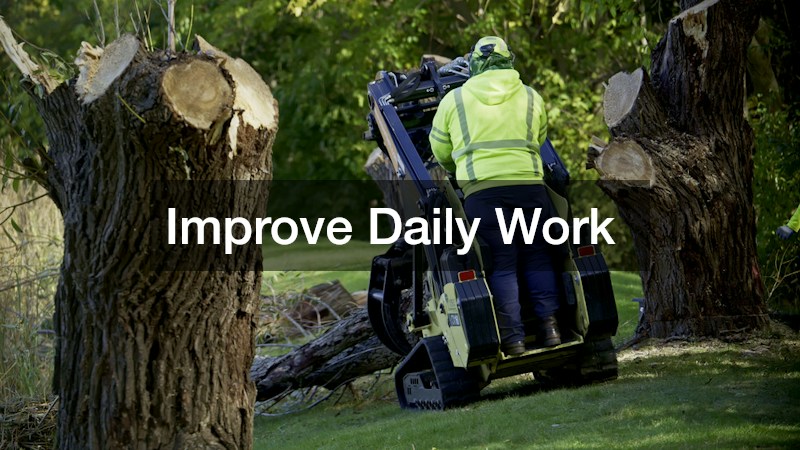
Operational excellence is achieved through the micro-management of daily habits and the continuous refinement of standard operating procedures. A growth mindset encourages every employee, from the newest ground worker to the seasoned foreman, to actively seek out small inefficiencies in their daily routines and suggest actionable improvements. This general commitment to marginal gains involves scrutinizing fuel consumption, optimizing equipment maintenance schedules, and refining job-site communication protocols. By empowering the workforce to take ownership of their daily workflows, the company cultivates a proactive environment where safety and efficiency are organically continuously improved rather than being forcefully dictated by upper management.
In the context of a specific, routine job, this means standardizing the exact sequence in which equipment is unloaded, safety zones are established, and rigging gear is inspected before anyone leaves the ground. When executing a standard tree removal service, the crew relies on these heavily refined, specific protocols to dismantle a decaying oak over a residential roof with zero wasted movement.
Grow the Business
Scaling an enterprise beyond its original scope requires a bold, strategic vision that embraces calculated risks and capitalizes on emerging industry trends. A business owner with a growth mindset is never satisfied with the status quo; they are consistently analyzing financial dashboards, seeking out mergers, and evaluating the acquisition of complementary businesses. This general strategic mindset involves securing lines of credit for capital expenditures, diversifying service offerings to weather economic downturns, and building a robust middle-management structure that can operate the business independently of the founder. By focusing on long-term scalability rather than short-term profits, the organization transitions from a localized small business into a dominant regional powerhouse.
Specifically, this growth trajectory often leads a traditional residential tree care provider to transition into heavy civil contracting by acquiring the massive excavators and horizontal grinders required for commercial site preparation. By actively bidding on highway expansion projects and residential subdivision developments, the business effectively transforms itself into a premier land clearing company capable of processing hundreds of acres.
Respond to Storms
Adaptability and rapid mobilization are the ultimate tests of a contracting firm’s operational resilience. When natural disasters strike, a growth-minded organization views the chaos not as a logistical nightmare, but as a critical moment to demonstrate its capabilities and serve its community in a time of desperate need. This general approach to crisis management involves drafting comprehensive emergency action plans, establishing relationships with heavy equipment rental agencies, and ensuring that communication networks remain robust even when local grids fail. By proactively preparing for the worst-case scenarios, the business positions itself to pivot its entire operational structure at a moment’s notice to address widespread environmental devastation.
When a severe weather event actually hits, this extensive preparation allows the company to immediately transition into a 24-hour emergency response protocol. Dispatchers specifically route highly specialized crews to perform urgent storm damage tree removal, prioritizing life-safety hazards such as massive limbs crushing residential roofs or trunks completely blocking emergency vehicular access.
The implementation of a growth mindset is not merely a motivational concept, but a highly practical business strategy that dictates the trajectory of a modern contracting firm. How a Growth Mindset Helps Tree Removal Companies Improve Their Services is demonstrated through their relentless pursuit of efficiency, safety, and community integration. By pushing beyond traditional boundaries to expand their reach and aggressively outperforming their rivals, these companies secure their financial future in a competitive landscape. Their dedication to training certified experts and improving daily workflows ensures that complex tasks, from routine pruning to high-risk dismantling, are executed flawlessly. Furthermore, by identifying innovative revenue streams like selling leftover lumber and scaling operations to include massive land clearing projects, they build a diversified, resilient business model.

